What is it?
Strep throat is a bacterial throat infection that can make your throat feel sore and scratchy. Compared with a viral throat infection, strep throat symptoms are generally more severe. Only a small portion of sore throats are the result of strep throat.
It's important to identify strep throat for a number of reasons. If untreated, strep throat can sometimes cause complications such as kidney inflammation and rheumatic fever. Rheumatic fever can lead to painful and inflamed joints, a rash and even damage to heart valves.
Strep throat is most common between the ages of 5 and 15, but it affects people of all ages. If you or your child has signs or symptoms of strep throat, see your doctor for prompt treatment.
Symptoms
In general, signs and symptoms of strep throat include:
- Throat pain
- Difficulty swallowing
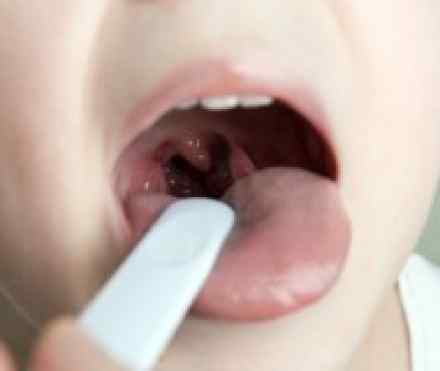
- Red and swollen tonsils, sometimes with white patches or streaks of pus
- Tiny red spots on the soft or hard palate — the area at the back of the roof of the mouth
- Swollen, tender lymph glands (nodes) in your neck
- Fever
- Headache
- Rash
- Stomach ache and sometimes vomiting, especially in younger children
- Fatigue
It's possible for you or your child to have many of these signs and symptoms, but not have strep throat. The cause of these signs and symptoms could be a viral infection or some other kind of illness. That's why your doctor generally tests specifically for strep throat.
It's also possible to have the bacteria that can cause strep in your throat without having a sore throat. Some people are carriers of strep, which means they can pass the bacteria on to others, but the bacteria are not currently making them sick.
Causes
The cause of strep throat is bacteria known as Streptococcus pyogenes, or group A streptococcus.
Streptococcal bacteria are highly contagious. They can spread through airborne droplets when someone with the infection coughs or sneezes, or through shared food or drinks. You can also pick up the bacteria from a doorknob or other surface and transfer them to your nose or mouth.
Risk factors
Several factors can increase your risk of strep throat infection:
- Young age. Strep throat occurs most commonly in children between the ages of 5 and 15.
- Time of year. Although strep throat can occur anytime of the year, it tends to circulate in late fall and early spring. Strep bacteria flourish wherever groups of people are in close contact. That's why the infection spreads easily among family members, in schools and in child care settings.
Complications
Although strep throat itself isn't dangerous, it may lead to serious complications — sometimes even with treatment.
Spread of infection
Strep bacteria may spread, causing infection in your:
- Tonsils
- Sinuses
- Skin
- Blood
- Middle ear
Inflammatory reactions
Strep infection may lead to other inflammatory illnesses, including:
- Scarlet fever, an illness characterized by a rash
- Inflammation of the kidney (poststreptococcal glomerulonephritis)
- Rheumatic fever, a serious condition that can affect the heart, joints, nervous system and skin
Diagnosis
Doctors usually diagnose the cause of a sore throat on the basis of a physical exam and lab tests.
During the exam, your doctor looks for signs and symptoms of strep throat, such as fever and enlarged lymph nodes, and will probably use a tongue depressor to get a good look at the throat and tonsils.
Your doctor will check for redness, swelling, and white streaks or pus on the tonsils. There also may be tiny red spots on the soft or hard palate — the area at the back of the roof of the mouth. Although these signs indicate an infection, appearance alone doesn't indicate whether it's viral or bacterial. In fact, some viral throat infections look worse than infections caused by streptococcal bacteria.
For that reason, your doctor is likely to use one or more of the following tests to check for the presence of bacteria, including streptococcal bacteria:
- Throat culture. For this test, a sterile swab is rubbed over the back of the throat and tonsils to get a sample of the secretions. It's not a painful procedure, but it may cause brief gagging. The sample is then cultured in a laboratory for the presence of bacteria, but results may take as long as two days.
- Rapid antigen test. Because of lack of availability or the waiting period for a throat culture, your doctor may order a rapid antigen test on the swab sample. This test can detect strep bacteria in minutes by looking for foreign substances (antigens) in the throat. If you or your child tests positive for strep bacteria, antibiotic treatment can begin right away. But rapid strep tests have a downside. They may miss some strep throat infections. For this reason, many doctors still use throat cultures, especially if results of the rapid antigen test are negative.
- Rapid DNA test. Newer rapid tests use DNA technology to detect strep throat from a throat swab in a day or less. These tests are as accurate as throat cultures, and the results are available sooner.
References
http://www.healthline.com/health/strep-throat
http://www.medicinenet.com/strep_throat_gas/article.htm
http://www.cdc.gov/features/strepthroat/
http://www.mayoclinic.org/diseases-conditions/strep-throat/symptoms-causes/dxc-20165964
 Print This Page