A specific blocker of dopamine receptors. It speeds gastrointestinal peristalsis, causes prolactin release, and is used as antiemetic and tool in the study of dopaminergic mechanisms.
Why have I been prescribed Motilium?
Motilium is used for:
- Stopping feelings of sickness (nausea) and being sick (vomiting) in adults and children.
- Relieving stomach discomfort, fullness or bloating and regurgitation of stomach contents (reflux or heartburn) in adults.
How does it work?
Domperidone works primarily by blocking dopamine receptors found in the upper end of the digestive system. This causes tightening of the muscles at the entry to the stomach, relaxation of the muscles at the exit of the stomach and increased contraction of the muscles in the stomach itself.
These actions speed up the passage of food through the stomach into the intestine, which reduces uncomfortable feelings of fullness, bloating and sickness. It also prevents food from flowing the wrong way through the stomach and so prevents reflux (regurgitation of the stomach contents back into the foodpipe) and heartburn.
When and how do I take it?
The dose of this medicine will be different for different patients. Follow your doctor's orders or the directions on the label. The following information includes only the average doses of this medicine. If your dose is different, do not change it unless your doctor tells you to do so.
One tablet can be taken up to three times a day and at bedtime.
What’s the dose?
For oral dosage form (tablets):
Treatment of gastrointestinal motility disorders:
Adults—10 milligrams (mg) three to four times daily. Some patients may require higher doses up to 20 mg three or four times daily.
Nausea and vomiting:
Adults—20 milligrams (mg) three to four times daily.
Missed Dose
If you miss a dose of this medicine, take it as soon as possible. However, if it is almost time for your next dose, skip the missed dose and go back to your regular dosing schedule. Do not double doses.
Could it interact with other tablets?
If you are already taking any other medicines, including those bought without a prescription and herbal medicines, it is important to check with your pharmacist before you start treatment with this medicine. Similarly, check with your doctor or pharmacist before taking any new medicines while using this one, to ensure that the combination is safe.
Domperidone may increase the speed of absorption of certain medicines from the gut, for example paracetamol. This effect can be useful in migraine.
Domperidone may oppose the prolactin-reducing effect of bromocriptine.
The antifungal medicine ketoconazole may reduce the breakdown of domperidone by the liver. This could increase the amount of domperidone in the bloodstream and hence increase the risk of its side effects. There may also be an increased risk of irregular heartbeats if these medicines are used together. The manufacturer recommends caution if this medicine is used in combination with erythromycin or ritonavir for the same reasons.
The following medicines may oppose the stimulating effect of domperidone on the gut and so could make it less effective:
- antispasmodics medicines, such as atropine, hyoscine, propantheline
- medicines for urinary incontinence, such as oxybutynin, flavoxate, tolterodine, propiverine, trospium
- antimuscarinics medicines for Parkinson's disease, such as procyclidine, trihexyphenidyl, orphenadrine
- strong opioid painkillers, such as morphine, codeine.
What are the possible risks or side-effects?
Medicines and their possible side effects can affect individual people in different ways. The following are some of the side effects that are known to be associated with this medicine. Just because a side effect is stated here does not mean that all people using this medicine will experience that or any side effect.
Common (affect between 1 in 10 and 1 in 100 people)
- Dry mouth.
Uncommon (affect between 1 in 100 and 1 in 1000 people)
- Diarrhoea.
- Decreased sex drive.
- Anxiety.
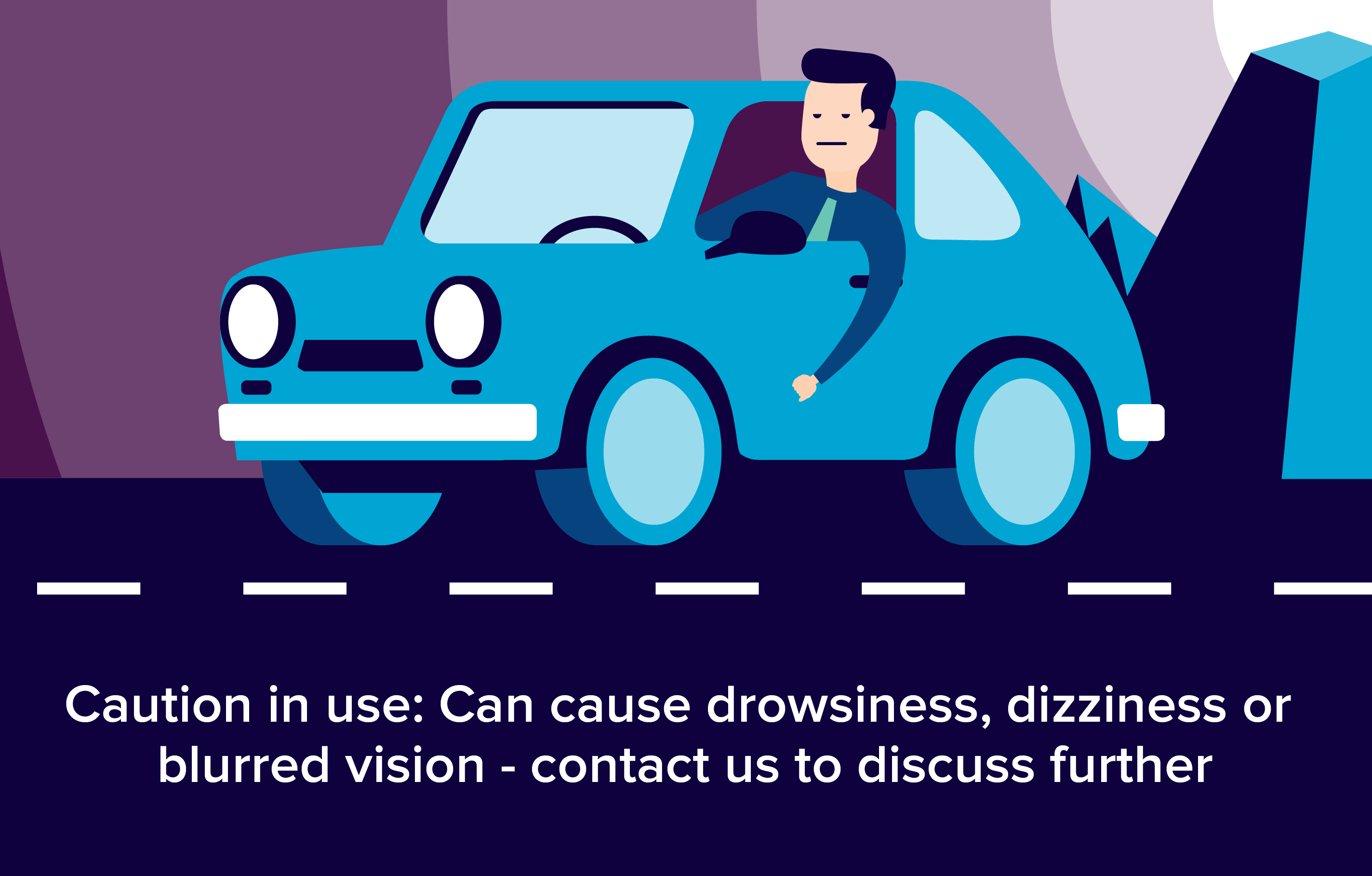
- Sleepiness.
- Headache.
- Rash or itching.
- Feeling weak.
- Breast pain or tenderness.
- Abnormal production of breast milk.
Very rare (affect less than 1 in 10,000 people)
- Heart rhythm disorders.
- Unknown frequency
- Stomach cramps.
- Itchy nettle-type rash (urticaria).
- Abnormal or uncontrolled movements of the hands, legs, face, eyes, neck or tongue, for example tremour, twitching or stiffness (extrapyramidal effects). Consult a doctor straight away if you notice any symptoms like this.
- Increased level of prolactin (milk producing hormone) in the blood (hyperprolactinaemia). Sometimes this can lead to symptoms such as abnormal enlargement of breasts in men (gynaecomastia), or stopping of menstrual periods in women.
The side effects listed above may not include all of the side effects reported by the medicine's manufacturer.
For more information about any other possible risks associated with this medicine, please read the information provided with the medicine or consult your doctor or pharmacist.
Can I drink alcohol while taking it?
Do not drink alcohol with this medicine.
What if I’m pregnant/breastfeeding?
Certain medicines should not be used during pregnancy or breastfeeding. However, other medicines may be safely used in pregnancy or breastfeeding providing the benefits to the mother outweigh the risks to the unborn baby. Always inform your doctor if you are pregnant or planning a pregnancy, before using any medicine.
- The safety of this medicine for use during pregnancy has not been established. It should not be used in pregnant women unless the potential benefits to the mother outweigh any risks to the developing baby. It should only be used if the medicine is considered essential by your doctor. Seek medical advice from your doctor if you are or think you could be pregnant.
- This medicine passes into breast milk in very small amounts that are not expected to be harmful to a nursing infant. However, the medicine is not recommended for use in women who are breastfeeding unless the potential benefit to the mother outweighs any risks to the nursing infant. Seek medical advice from your doctor before using this medicine if you are breastfeeding.
If you have any more questions please ask your Pharmacist.
Remember to keep all medicines out of reach of children
Please Note: We have made every effort to ensure that the content of this information sheet is correct at time of publish, but remember that information about drugs may change. This sheet does not list all the uses and side-effects associated with this drug. For full details please see the drug information leaflet which comes with your medicine. Your doctor will assess your medical circumstances and draw your attention to any information or side-effects which may be relevant in your particular case.
References:
1. Medicines.ie website- motilium SPC http://www.medicines.ie/medicine/3639/SPC/Motilium+Tablets/
2. Medicines.ie- motilium PIL http://www.medicines.ie/medicine/8293/PIL/Motilium+Tablets/
 Print This Page